Onboarding A New Operator In Under Two Weeks
The biggest bottleneck to a founder’s freedom is the training trap.
You know you need operational support. You are drowning in emails, your calendar is a jigsaw puzzle, and project milestones are slipping through the cracks. Yet, month after month, you delay hiring an operator because you think: “It will take me longer to train someone than to just do the work myself.”
If your onboarding process requires you to sit on Zoom for hours, narrating your daily tasks and hoping the new hire takes good notes, you are right. That process is exhausting, and it rarely sticks.
But effective onboarding isn’t an educational course—it is an operational system.
Over years of integrating into fast-moving remote teams, corporate accounts, and cross-regional logistics setups, I have refined a friction-free framework. Here is how to onboard a high-fidelity operator in under two weeks without draining your own bandwidth.
What to Avoid: The “Shadowing” Trap
Many founders think effective onboarding means having a new hire shadow them on every single call. This actually creates two massive problems:
- It drains your time: You are paying for a resource to watch you work, rather than freeing yourself up to do higher-leverage tasks.
- It lacks documentation: Watching someone do a task once doesn’t build a repeatable workflow. The moment a rare variable or edge case pops up, the operator gets stuck and has to loop you back in.
The Two-Week High-Fidelity Blueprint
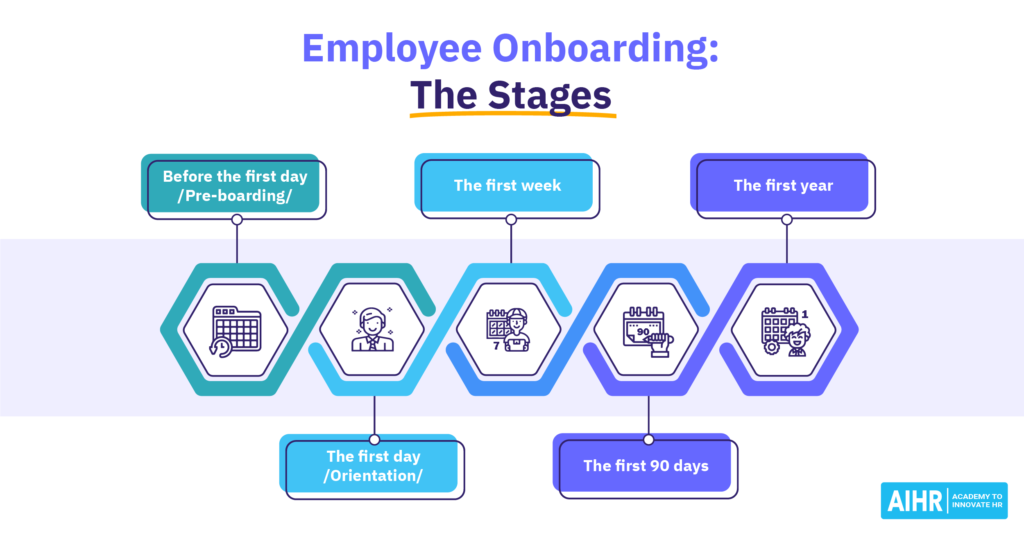
Instead of teaching live, you want to build an architecture that allows an experienced operator to activate themselves autonomously. The process breaks down into three simple phases:
- 01 / The Asynchronous Library: Before Day 1, you do not need a perfect handbook. You simply need unedited, 2-minute screen recordings of your current workflows (how you clean your inbox, how you log a vendor invoice, or how you update a client pipeline). A sharp operator will take these raw videos and instantly transform them into formal, structured Standard Operating Procedures (SOPs) for you.
- 02 / Strict Access Architecture: Guard your security without slowing down momentum. On Day 1, provide a secure password management portal with predefined access permissions to the central operations hub, CRM, and communication channels. When access is systematized, there is no back-and-forth friction over forgotten logins.
- 03 / The “Draft and Approve” Protocol: During week one, the operator executes inside a sandbox environment. They draft the client email correspondence, stage the weekly newsletter, or prepare the travel itinerary, leaving it for your final review. This allows you to calibrate their tone and precision safely, building absolute trust before they take over the live system in week two.
Speed to Value
A truly high-level operator doesn’t join your team to ask you what to do next. They step into the room, locate the operational friction, and immediately begin building the rails to hold up your growth.
When I step inside a business, my goal is to minimize founder friction from hour one. By utilizing clear documentation and structured feedback loops, the integration happens entirely in the background.
Stop waiting for the “perfect quiet week” to train someone. The right partner doesn’t take your time—they give it back to you.